What does the system do during an earthquake?
The P-wave is detected
The first wave of an earthquake is usually the non-destructive P-wave. When the elevator senses this wave, the system switches to seismic mode without any human intervention.
Cabin and counterweight in opposite directions
Before the destructive second wave arrives, the cabin and counterweight move in opposite directions to balance the system. This reduces the dynamic load on the guide rails.
Safe stop at the nearest floor
The elevator is programmed to stop at the nearest floor. The doors open and passengers are evacuated before the destructive wave arrives.
The building shakes, the system stands firm
The 125-millimetre guide rail eliminates the risk of buckling under horizontal oscillation. Reinforced brackets, anti-derailment emergency guides and intermediate bases placed between the counterweights preserve structural integrity.
Calculation-based strength
Strength calculations are performed taking into account the seismic design acceleration coefficient of the region.
125 mm Guide Rail
The risk of buckling under horizontal oscillation has been eliminated.
Reinforced Brackets
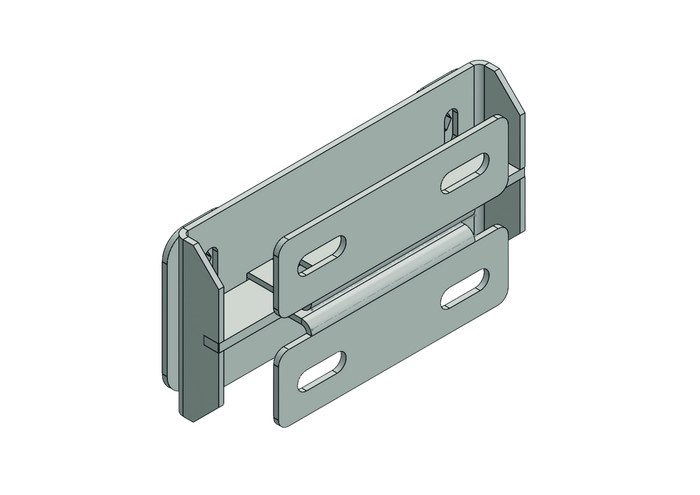
The strength of brackets and load-bearing systems has been increased.
Anti-Derailment Guides
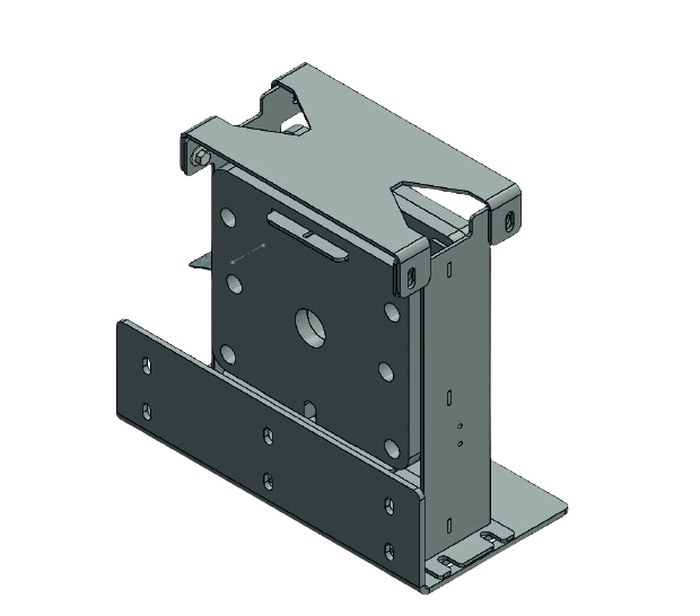
Emergency guides have been developed for the cabin and counterweight frames.
Heavy-Gauge Suspension
Sheet thicknesses in the suspension systems have been increased.
Intermediate Bases
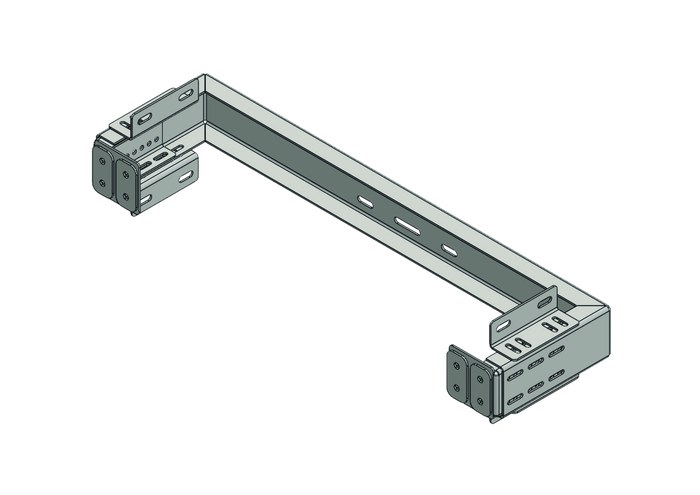
Rigidity is ensured by placing intermediate bases between the counterweights.
Rope & Cable Protection
Measures are in place to prevent ropes and cables from snagging inside the shaft during an earthquake.
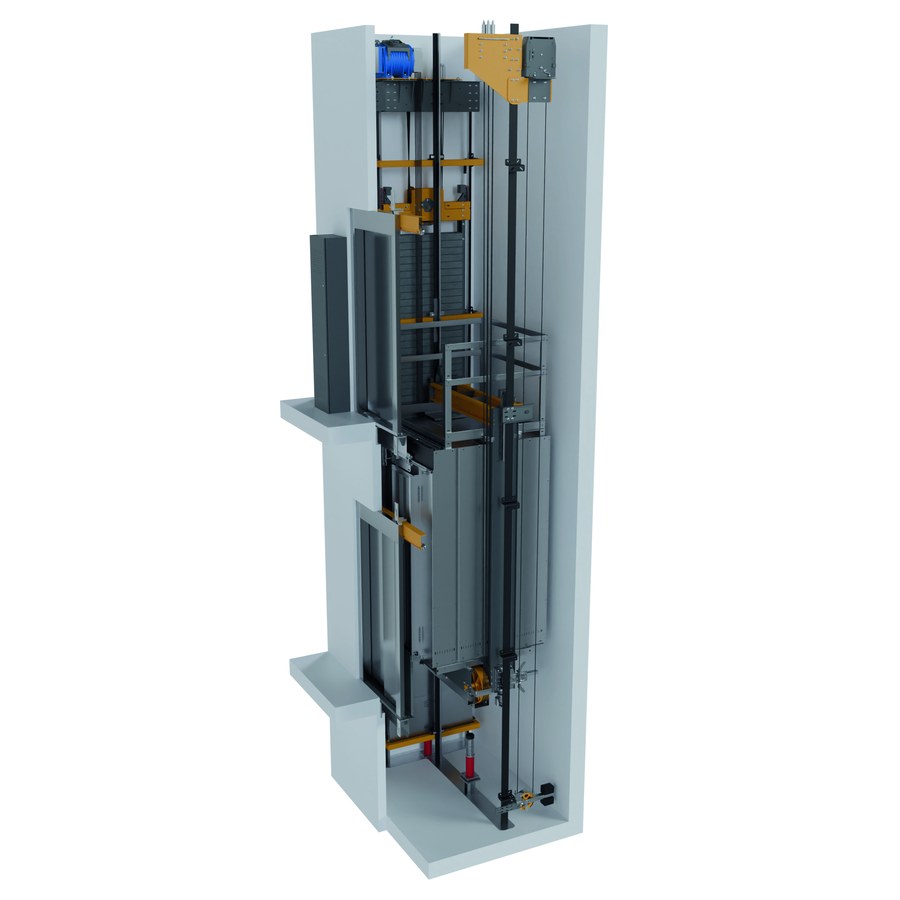
Sismik Zone component group
Questions about earthquake elevators
What is an earthquake elevator?
An earthquake elevator runs a safe evacuation sequence on its own as soon as it senses the first seismic wave, and its load-bearing parts, rails, brackets and suspension, are calculated for seismic loads. A control unit that switches to seismic mode is not enough on its own, and neither is thicker sheet metal.
What makes an elevator earthquake resistant?
In Sismik Zone the reinforcement covers six points: 125 mm rails, reinforced fixing brackets, emergency guides that prevent derailment, thicker sheet metal in the suspension, intermediate bases placed between the counterweights, and measures that keep ropes and cables from snagging in the shaft.
What is TS EN 81-77?
TS EN 81-77 is the standard that defines design and installation requirements for elevators under seismic conditions. Sismik Zone is the earthquake elevator designed and installed under this standard first and only by Decosan in Türkiye. Every project is calculated for the seismic design acceleration coefficient of its region.
What does the system do during an earthquake?
The first wave to arrive is usually the non-destructive P wave. When the system senses it, it switches to seismic mode: car and counterweight move in opposite directions to reduce the dynamic load on the rails, the car stops at the nearest floor, the doors open and the passenger leaves before the S wave arrives.
Can Sismik Zone be installed in my building?
Sismik Zone is designed and produced at our plant in Diyarbakır. We calculate the required strength from the acceleration coefficient of your region and report a complete system for new projects or conversion options for an existing elevator.
Is your building in an earthquake zone?
Let us run the strength calculation for your region's seismic acceleration coefficient and report conversion options for your existing elevator.